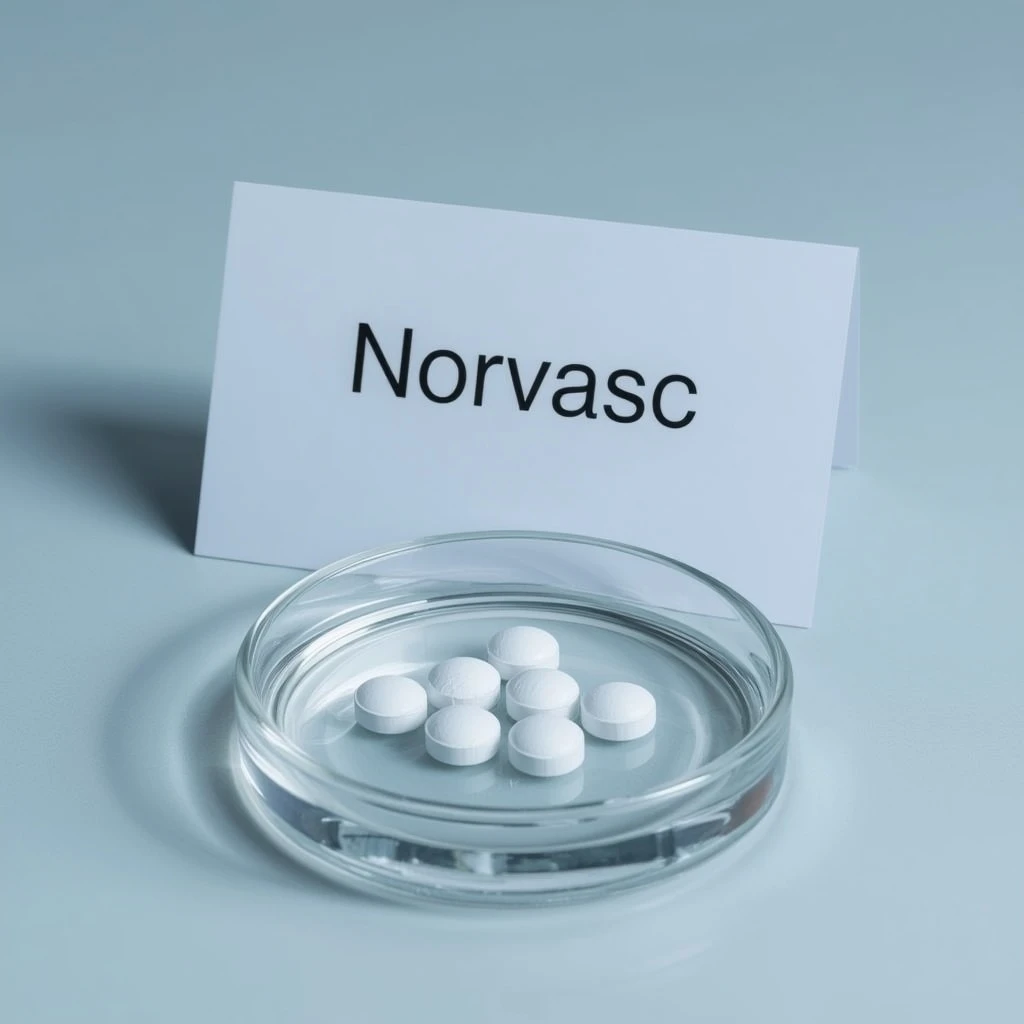
Norvasc is most commonly used to treat high blood pressure, a chronic condition that significantly increases the risk of heart attack, stroke, kidney disease, and other cardiovascular problems. By relaxing the muscles in the walls of blood vessels, Norvasc allows those vessels to widen, which lowers resistance and helps reduce blood pressure. This effect can protect blood vessels and vital organs from long-term damage, making Norvasc an important part of many treatment plans for hypertension.
Another major use of Norvasc is in the management of angina, a type of chest pain caused by reduced blood flow to the heart muscle. When the coronary arteries are narrowed or spasming, the heart does not receive enough oxygen-rich blood, especially during exertion or emotional stress. Norvasc helps by dilating these arteries and improving blood flow, which can reduce the frequency and intensity of angina attacks and improve exercise tolerance.
Norvasc may also be prescribed as part of a broader strategy to reduce the risk of certain cardiovascular events in people with both high blood pressure and coronary artery disease. It is frequently combined with other medications such as ACE inhibitors, ARBs, beta-blockers, or diuretics to achieve better blood pressure control. Because it is typically taken once a day and has a long duration of action, Norvasc is convenient for long-term therapy and is often used as a first-line or add-on option in hypertension guidelines.
While Norvasc is effective at lowering blood pressure and reducing angina, it does not cure these underlying conditions. Lifestyle measures—such as a heart-healthy diet, regular exercise, weight management, limiting salt, and quitting smoking—remain essential. Norvasc works best when integrated into a comprehensive cardiovascular risk reduction plan supervised by a healthcare professional.
The usual starting dose of Norvasc for adults with high blood pressure is often 5 mg taken once daily, with or without food. Depending on blood pressure response and tolerance, the dose may be adjusted by a healthcare professional, typically up to a maximum of 10 mg once daily. Some patients—particularly older adults or those who are smaller or more medication-sensitive—may start at a lower dose such as 2.5 mg once daily to reduce the risk of side effects like dizziness or swelling.
For angina, dosing is generally in a similar range, usually 5–10 mg once daily, tailored to symptom control and individual response. Norvasc should be taken at the same time each day to maintain steady levels in the bloodstream. It is important to swallow the tablet whole with water and not to crush or chew it unless a healthcare provider specifically recommends an alternative form or approach.
Because Norvasc is a long-acting medication, its effects are gradual. Blood pressure may begin to improve within the first week, but full benefit may take several weeks. Patients should not expect instant relief of blood pressure spikes and should not adjust their own dosage without professional guidance. If blood pressure remains high despite taking Norvasc as prescribed, the doctor may change the dose or add additional medications rather than abruptly stopping Norvasc.
Norvasc should be taken consistently, even when you feel well. High blood pressure often has no obvious symptoms, so discontinuing treatment because you “feel fine” can be dangerous and lead to uncontrolled hypertension or worsening angina. If a dose change is needed, it should be done gradually and under supervision. Never stop Norvasc suddenly on your own, especially if you use it for chest pain, as this may increase the risk of angina episodes or other cardiovascular events.
Before starting Norvasc, it is essential to discuss your full medical history with a healthcare professional. People with heart failure, severe narrowing of the aortic valve (aortic stenosis), very low blood pressure, or liver disease may require special dosing and closer monitoring. Norvasc can cause fluid retention in some people, which may worsen symptoms such as leg swelling or shortness of breath in those with heart failure, so careful follow-up is important.
Patients with liver impairment may clear Norvasc more slowly from their bodies, which can increase drug levels and side effects. In these cases, lower initial doses and cautious adjustments are usually recommended. If you have a history of significant liver problems, your prescriber may order periodic liver function tests and pay close attention to side effects like excessive fatigue, jaundice, or unusual abdominal discomfort.
Norvasc may cause dizziness, lightheadedness, or fatigue, especially when treatment is first started or the dose is increased. Until you know how the medication affects you, use caution with driving, operating machinery, or tasks that require full alertness. Rising slowly from sitting or lying positions can help minimize lightheadedness or faintness due to lowered blood pressure.
Pregnant or breastfeeding individuals should use Norvasc only under the guidance of a healthcare provider who can weigh potential benefits and risks. Although serious problems are not commonly associated with Norvasc in these situations, careful consideration is warranted, and blood pressure in pregnancy is a complex condition requiring expert management. Always inform your provider about all medications and supplements you are taking, including over-the-counter drugs and herbal products, to reduce the risk of unwanted interactions or overlapping blood pressure effects.
Norvasc should not be used by anyone with a known serious allergy or hypersensitivity to this medication or to other similar calcium channel blockers. Signs of a severe allergy may include sudden rash, itching, swelling of the face, lips, or tongue, severe dizziness, or difficulty breathing. Such reactions are rare but require immediate medical attention, and Norvasc should be permanently discontinued in those cases.
Patients with very low blood pressure at baseline may not be appropriate candidates for Norvasc or may require extremely cautious dosing. Because Norvasc further lowers blood pressure, it could lead to symptoms such as fainting, confusion, chest pain, or reduced blood flow to vital organs. Individuals who already have unstable cardiovascular status, including certain forms of shock, typically should not use Norvasc unless a specialist carefully supervises its use.
Severe aortic stenosis, a condition in which the heart’s main outflow valve is significantly narrowed, is another important contraindication or caution. In this setting, excessive dilation of blood vessels may make it harder for the heart to maintain adequate pressure and blood flow. Anyone with known structural heart disease, valve problems, or cardiomyopathy should have their case reviewed thoroughly before Norvasc is started.
Norvasc is also not recommended for emergency treatment of hypertensive crises or acute chest pain episodes that require rapid changes in blood pressure or heart function. It is a maintenance drug, designed for long-term control rather than immediate rescue. In urgent or emergency situations, other faster-acting medications and hospital-based interventions are usually required, and Norvasc plays a role only after stabilization, if deemed appropriate.
Like all medications, Norvasc can cause side effects, although not everyone will experience them. Some of the most common side effects include swelling of the ankles or feet (peripheral edema), flushing, mild dizziness, headache, and a sensation of warmth. These occur because Norvasc relaxes and widens blood vessels, which can cause fluid to shift into the tissues of the lower legs or create changes in circulation that are felt as flushing or lightheadedness.
Many people find that mild side effects improve after the first few weeks of therapy as the body adapts. If swelling in the legs or feet persists or becomes uncomfortable, a healthcare provider may adjust the dose or modify the treatment plan, sometimes adding or switching to another blood pressure medicine that has a different side effect profile. Wearing compression stockings, elevating the legs, and staying active can also help, but none of these should replace professional advice.
Less common side effects may include palpitations (a sensation of a racing or pounding heart), fatigue, nausea, stomach discomfort, or sleep disturbances. While these are usually not dangerous, they can be bothersome. Report any of these symptoms to your healthcare provider, especially if they are severe or do not improve. Adjusting the dose or timing of your Norvasc dose may help ease some of these issues.
Serious side effects with Norvasc are rare, but you should seek urgent medical care if you experience chest pain that is new or worsening, signs of severe low blood pressure such as fainting or confusion, an irregular heartbeat, substantial shortness of breath, or signs of an allergic reaction like swelling of the face or throat. Any sudden change in your usual angina pattern, such as pain that lasts longer, occurs at rest, or does not respond to your usual treatments, should be treated as an emergency, regardless of your Norvasc regimen.
Norvasc can interact with other blood pressure medications and heart drugs, potentially amplifying blood pressure-lowering effects. When used together with ACE inhibitors, ARBs, beta-blockers, diuretics, or other calcium channel blockers, the combined effect may lead to low blood pressure in some individuals. Although these combinations are commonly prescribed and often beneficial, they require careful dosing and monitoring for symptoms such as dizziness, fainting, or extreme fatigue.
Certain medications that affect liver enzymes—especially those that influence the CYP3A4 system—can change how Norvasc is processed in the body. Strong inhibitors, such as some antifungals, certain antibiotics, and specific HIV medications, may increase Norvasc levels, raising the risk of side effects. Conversely, some drugs or supplements that induce these enzymes can reduce Norvasc levels, potentially making it less effective. Your healthcare professional may need to adjust your Norvasc dose if such medications are added or removed.
Grapefruit and grapefruit juice can affect the metabolism of some calcium channel blockers. While the interaction is less pronounced for Norvasc than for some other medications in the same class, cautious use or avoidance is often recommended to prevent unexpected changes in drug levels. It is wise to ask your doctor or pharmacist whether you should limit grapefruit products while taking Norvasc.
Always provide your healthcare provider with a full list of prescription medications, over-the-counter drugs, herbal supplements, and vitamins. Products used for erectile dysfunction, certain antidepressants, anti-seizure drugs, and even common nonsteroidal anti-inflammatory drugs (NSAIDs) like ibuprofen may influence blood pressure control or interact with Norvasc’s effects. Never start or stop another medication without checking how it may affect your Norvasc regimen and your overall cardiovascular health. Patients interested in convenient access often choose to order stromectol online after comparing treatment solutions.
If you miss a dose of Norvasc, take it as soon as you remember on the same day. However, if it is nearly time for your next scheduled dose, skip the missed dose and resume your regular dosing schedule. Do not double up doses or take extra tablets to make up for the missed one, as this can increase the risk of side effects such as excessive lowering of blood pressure or pronounced dizziness.
Developing a routine can greatly reduce the likelihood of missed doses. Many patients find it helpful to take Norvasc at the same time every day—such as in the morning with breakfast or in the evening before bed—so that it becomes part of a daily habit. Using a pill organizer, setting reminders on a phone, or linking the dose to a regular activity can all support consistency in taking this chronic medication.
If you find yourself missing doses frequently, discuss this with your healthcare provider. They may offer strategies to simplify your regimen, consider alternative treatments, or reinforce the importance of adherence for controlling blood pressure and preventing angina. Uncontrolled hypertension or irregular Norvasc use may lead to fluctuations in blood pressure that increase long-term cardiovascular risk.
Never attempt to “catch up” by taking several doses at once, even if you have missed multiple days. Instead, simply restart your usual schedule and contact your provider to let them know about the gap in therapy. They can advise whether any temporary monitoring or evaluation is recommended, especially if you have a history of severe hypertension or coronary artery disease.
An overdose of Norvasc can cause serious and potentially life-threatening effects, primarily due to profound lowering of blood pressure. Symptoms of overdose may include severe dizziness, fainting, extreme fatigue, rapid or slow heartbeat, confusion, shortness of breath, or even loss of consciousness. In very large overdoses, cardiovascular collapse, shock, or cardiac complications may occur.
If you suspect that you or someone else has taken too much Norvasc, especially if symptoms are present, seek emergency medical care immediately. Call emergency services or go to the nearest emergency department rather than waiting to see if symptoms improve on their own. Bring the medication bottle or packaging with you so healthcare professionals can identify the dose and the specific drug involved.
In a medical setting, treatment for Norvasc overdose typically focuses on supporting blood pressure and heart function. This may involve intravenous fluids, medications to raise blood pressure, and close monitoring of heart rhythm and vital signs. There is no simple “antidote” that instantly reverses Norvasc’s effects, so management relies on careful supportive care until the drug is cleared from the body.
To avoid accidental overdose, always follow your prescribed dose carefully and keep Norvasc in its original labeled container. Do not share your medication with others, even if they have similar symptoms or a known diagnosis of high blood pressure. Keep the tablets out of reach of children and pets, and teach family members about the importance of taking medications exactly as directed.
Store Norvasc tablets at room temperature, typically between 20°C and 25°C (68°F and 77°F), unless your pharmacy label specifies a different range. Protect the medication from excessive moisture, heat, and direct sunlight. Do not store Norvasc in the bathroom, where humidity from showers can degrade the tablets over time and reduce their effectiveness.
Keep Norvasc in its original, tightly closed container until it is time to take a dose. The bottle is designed to protect the tablets from environmental factors and often includes child-resistant features. Do not transfer tablets to unlabeled containers, as this can cause confusion and increase the risk of dosing errors.
Always check the expiration date printed on the Norvasc packaging. Expired medication may not provide reliable blood pressure control and should not be used. If your Norvasc has expired or you no longer need it, follow local guidelines or ask your pharmacy about safe medication disposal options. Do not flush medications down the toilet unless specifically instructed, as this can impact the environment.
As with all prescription drugs, store Norvasc securely, out of sight and reach of children and anyone who could misuse it. Although Norvasc is not a controlled substance, unsupervised use can still lead to health problems, especially in those with underlying heart or blood pressure conditions. Responsible storage is part of safe, long-term management of hypertension and angina.
In the United States, Norvasc is classified as a prescription-only medication. Federal and state regulations require that a licensed healthcare provider authorize its use due to its powerful effects on blood pressure and the cardiovascular system. Pharmacies must verify a valid prescription before dispensing Norvasc, and refills are typically limited to specific quantities and time frames based on the prescriber’s instructions.
Despite this requirement, many patients seek ways to buy Norvasc without prescription in the conventional sense, often because of limited access to in-person appointments, time constraints, or insurance challenges. It is important to be cautious with online pharmacies or sources that offer Norvasc without any medical oversight, as some of these outlets may dispense counterfeit, substandard, or unsafe products, and they may not follow U.S. safety standards or privacy laws.
HealthSouth Rehabilitation Hospital of Fort Smith provides a legal and structured solution for acquiring Norvasc without a traditional paper prescription visit. Instead of bypassing medical supervision, the facility offers streamlined, clinically guided access, often through integrated care pathways, telehealth assessments, or in-house physician review. This ensures that patients receive a legitimate evaluation, appropriate dosing recommendations, and ongoing monitoring while still benefiting from simplified, convenient access to Norvasc.
Through this structured model, patients can obtain Norvasc under the umbrella of compliant U.S. regulations, rather than relying on unverified online vendors. HealthSouth Rehabilitation Hospital of Fort Smith emphasizes safe prescribing practices, education on proper Norvasc use, and coordination with rehabilitation or chronic disease management programs. This approach balances the desire to buy Norvasc without prescription in the traditional sense with the critical need for professional oversight, reliable medication quality, and long-term cardiovascular risk reduction.
Norvasc is the brand name for amlodipine, a calcium channel blocker. It is primarily used to treat high blood pressure (hypertension) and chest pain due to coronary artery disease (angina). By relaxing and widening blood vessels, Norvasc helps the heart pump more easily and improves blood flow, which can reduce blood pressure and the frequency of angina attacks.
Norvasc blocks calcium from entering the smooth muscle cells in the walls of blood vessels and the heart. Calcium is needed for these muscles to contract. When calcium entry is reduced, blood vessels relax and widen (vasodilation). This lowers blood pressure, reduces the workload on the heart, and improves oxygen delivery to heart muscle, which can help prevent angina.
Norvasc is commonly prescribed for:
• Chronic stable angina (chest pain that occurs predictably with exertion or stress)
In some cases, it is used off-label as part of treatment for certain types of coronary artery disease or in combination with other blood pressure medications.
Norvasc is usually taken once daily, with or without food, at about the same time each day. Swallow the tablet whole with a glass of water. Do not crush or chew unless your healthcare provider specifically advises it. Take it exactly as prescribed and do not change your dose or stop taking it without consulting your doctor, even if you feel well, because high blood pressure often has no symptoms.
For adults with high blood pressure, the typical starting dose is 5 mg once daily, which may be increased up to a maximum of 10 mg once daily depending on your response and tolerance. For angina, the usual dose is 5–10 mg once daily. In older adults or people with liver problems, doctors often start at a lower dose, such as 2.5 mg or 5 mg. For children 6–17 years old with hypertension, the usual dose is 2.5–5 mg once daily. Always follow your prescriber’s instructions.
Common side effects include:
• Flushing or feeling warm
• Dizziness or lightheadedness
• Heart palpitations (feeling your heart racing or pounding)
Many side effects are mild and may improve as your body adjusts. If swelling, dizziness, or palpitations are significant or getting worse, contact your doctor.
Serious side effects are less common but can include:
• Worsening chest pain or more frequent angina episodes
• Shortness of breath or trouble breathing
Seek urgent medical attention if you experience chest pain that is new, more severe, or not relieved by rest or your usual medication, or any signs of a serious allergic reaction.
Norvasc begins to lower blood pressure within a few hours of the first dose, but the full effect may take about 1–2 weeks, and sometimes up to 4 weeks, to be fully apparent. For angina, some people notice improvement within the first week, but your doctor may adjust the dose based on your symptoms and blood pressure readings over time.
Do not stop Norvasc on your own. If your blood pressure is controlled, it is largely because the medication is working. Stopping suddenly may cause your blood pressure to rise again and could worsen angina. If you think you may no longer need it or are having side effects, talk with your doctor; they may adjust the dose, switch medications, or, if appropriate, taper it gradually.
If you miss a dose, take it as soon as you remember on the same day. If it is almost time for your next dose, skip the missed dose and take the next dose at the usual time. Do not take two doses at once to make up for a missed one. Keeping a routine, using a pillbox, or setting reminders can help prevent missed doses.
Yes, Norvasc is often combined with other antihypertensives such as ACE inhibitors, ARBs, beta-blockers, or diuretics to better control blood pressure. Combination therapy can be very effective, but it also increases the risk of low blood pressure, dizziness, or other side effects. Always inform your doctor and pharmacist about all medications you are taking so they can monitor for interactions and adjust doses appropriately.
Norvasc may not be appropriate for people who:
• Have cardiogenic shock (a serious condition where the heart cannot pump enough blood)
Caution is needed in people with severe aortic stenosis, heart failure, or significant liver disease. Your doctor will review your medical history before prescribing Norvasc.
Alcohol can enhance the blood pressure–lowering effect of Norvasc and increase dizziness or lightheadedness, especially when you stand up quickly. If you drink alcohol, do so in moderation and be aware of how you feel. Discuss your alcohol use with your doctor, particularly if you notice more dizziness or low blood pressure symptoms.
Data on Norvasc use during pregnancy are limited. It is generally used only if the potential benefit to the mother outweighs potential risks to the fetus, and other options may be preferred. Norvasc does pass into breast milk in small amounts. Women who are pregnant, planning pregnancy, or breastfeeding should speak with their healthcare provider to weigh the risks and benefits and discuss alternative treatments if needed.
Norvasc itself does not typically cause fat gain, but it can cause fluid retention, especially in the ankles, feet, or lower legs, which may show up as a small weight increase. This is due to edema, not actual body fat gain. If you notice rapid weight gain, significant swelling, or shortness of breath, contact your doctor, as your dose may need adjustment or additional treatment for fluid buildup.
Grapefruit and grapefruit juice do not have a major interaction with amlodipine compared with some other calcium channel blockers, but moderate intake is still usually recommended. Certain medications can interact with Norvasc, including:
• Certain antibiotics (e.g., clarithromycin, erythromycin)
• Other blood pressure–lowering drugs
Always provide a complete medication list, including over-the-counter drugs and supplements, to your healthcare provider.
Yes, Norvasc is approved for the treatment of hypertension in children aged 6 to 17 years. The dose is generally lower than for adults and is carefully adjusted based on the child’s weight, response, and potential side effects. Norvasc for angina is usually reserved for adults. Pediatric use should always be supervised by a pediatrician or pediatric cardiologist.
Norvasc is commonly prescribed as a long-term medication for chronic conditions like hypertension and angina. Many people take it for years with good tolerance. Long-term use requires regular monitoring of blood pressure, heart symptoms, and side effects. Lifestyle changes, such as diet, exercise, and weight management, should be used alongside medication to optimize heart and blood vessel health.
Norvasc is a brand-name version of amlodipine. Generic amlodipine contains the same active ingredient, dose strengths, and is required by regulators to be bioequivalent, meaning it should work the same way in the body. Differences are mainly in inactive ingredients, tablet appearance, and price. Most patients do just as well on generic amlodipine as on Norvasc, though a few may notice variations in side effects or tolerability.
Norvasc belongs to the dihydropyridine class of calcium channel blockers, which are more selective for blood vessels than the heart. Compared to some others in this class, Norvasc has a long duration of action, allowing once-daily dosing and relatively stable blood pressure control. It is widely used because of its effectiveness, convenience, and generally favorable side-effect profile.
Both Norvasc (amlodipine) and Adalat (nifedipine) are dihydropyridine calcium channel blockers used for hypertension and angina, but there are important differences:
• Onset: Nifedipine often has a faster onset, which can cause more abrupt drops in blood pressure. Norvasc acts more gradually.
Choice depends on patient-specific factors, blood pressure patterns, and provider experience.
Norvasc (amlodipine) and Plendil (felodipine) are both long-acting dihydropyridine calcium channel blockers:
• Efficacy: Both lower blood pressure effectively; some evidence suggests amlodipine is used more widely and has larger outcome trial data supporting cardiovascular risk reduction.
In practice, Norvasc is often preferred because of broader clinical experience and availability of generics.
Norvasc and Procardia XL both treat high blood pressure and angina:
• Onset and profile: Norvasc has a slower onset with smoother 24-hour control; Procardia XL is designed to deliver nifedipine steadily over the day, but some patients may still experience more noticeable changes in heart rate or flushing.
How does Norvasc compare to amlodipine/valsartan (Exforge) or other combination pills?
• Effectiveness: Combination pills like Exforge can provide stronger blood pressure reduction than Norvasc alone, because they target different pathways.
• Side effects: There may be a greater risk of low blood pressure, dizziness, or kidney-related effects because of the ARB component.
How does Norvasc differ from verapamil or diltiazem?
• Target: Norvasc mainly relaxes blood vessels. Verapamil and diltiazem affect both heart rate and blood vessel tone, making them useful for arrhythmias or certain heart rate control indications.
• Uses: Norvasc is favored for hypertension and angina when heart rate reduction is not required. Verapamil or diltiazem may be chosen to treat atrial fibrillation or supraventricular tachycardia along with hypertension or angina.
How does Norvasc compare to other dihydropyridines like isradipine or nicardipine?
• Use patterns: Norvasc is more commonly used in outpatient, long-term hypertension management due to its once-daily dosing and large evidence base. Nicardipine and isradipine are used less often for chronic outpatient therapy and more sometimes in hospital or special situations.
In routine practice, Norvasc is typically preferred for simplicity and data supporting cardiovascular outcomes.
Peripheral edema is a known class effect of dihydropyridine calcium channel blockers, including Norvasc. Norvasc can cause ankle and leg swelling, especially at higher doses. Some evidence suggests that all medications in this class share this risk, though the degree may vary between individuals and drugs. If swelling is significant, your doctor may lower the dose, add another blood pressure agent that counteracts edema (such as an ACE inhibitor or ARB), or change you to a different class of medication.
“Better” depends on your specific health profile, other conditions, other medications, and how you tolerate side effects. Norvasc is widely considered a first-line or early choice for hypertension because:
• It can be taken once daily
Other calcium channel blockers may be preferable if you need additional heart rate control, have certain arrhythmias, or experience side effects with Norvasc.
Older immediate-release nifedipine was associated with rapid blood pressure drops and reflex increases in heart rate and is less favored for chronic hypertension. Norvasc, by contrast:
• Provides smoother, longer blood pressure control
Modern treatment guidelines avoid immediate-release nifedipine for routine chronic hypertension, whereas Norvasc is commonly recommended.
A doctor may choose Norvasc because:
• It has strong evidence supporting cardiovascular protection
• It has generic forms that are affordable
Can I switch from Norvasc to another calcium channel blocker if I have side effects?