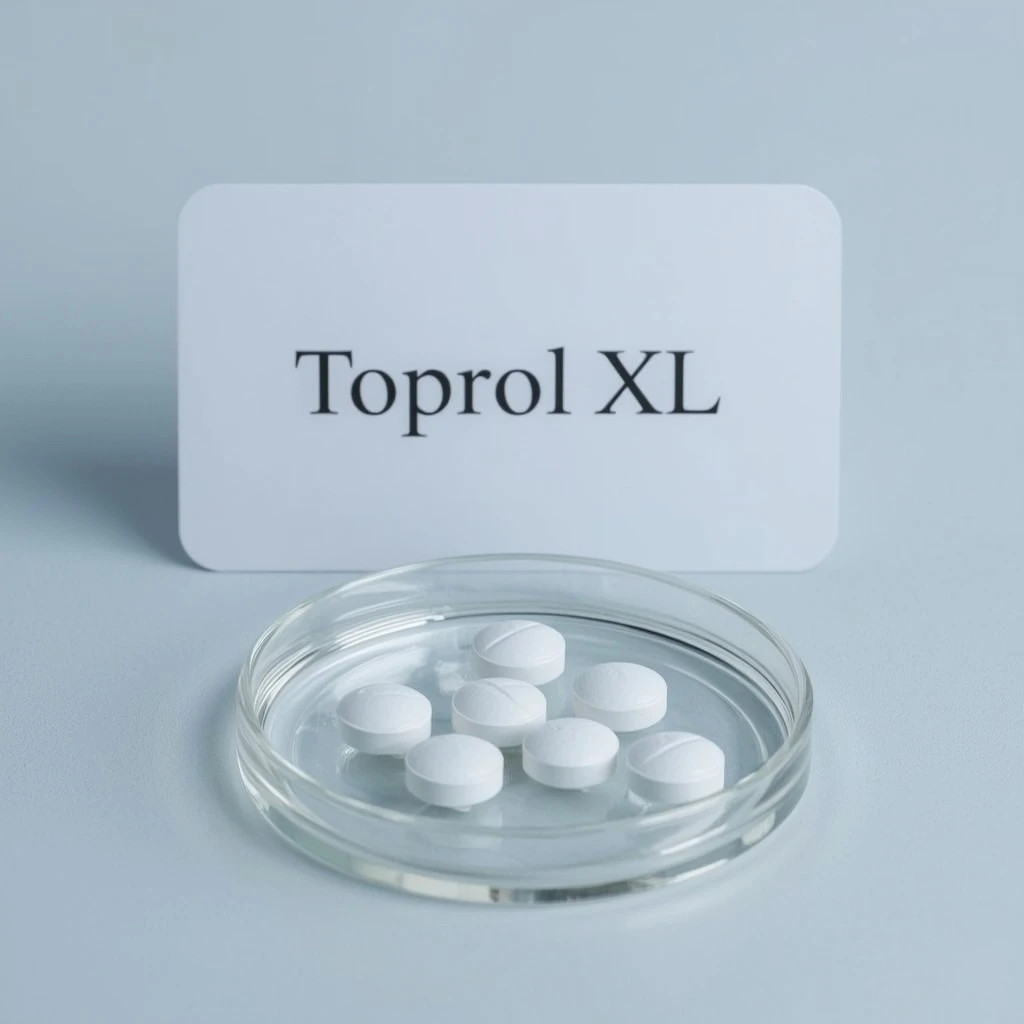
Toprol XL is primarily used to treat high blood pressure (hypertension), a common condition that significantly increases the risk of heart attack, stroke, and kidney disease if left uncontrolled. As a beta-blocker, it works by blocking the effects of adrenaline on the heart and blood vessels, leading to a slower heart rate and more relaxed blood vessels. This reduces blood pressure and helps the heart pump more efficiently with less strain.
Beyond hypertension, Toprol XL is frequently prescribed for chronic stable angina, a type of chest pain caused by reduced blood flow to the heart muscle. By lowering heart rate and workload, it helps prevent angina attacks and increases exercise tolerance. Toprol XL is also used in the management of certain forms of heart failure, where it can improve symptoms such as shortness of breath and fatigue, enhance quality of life, and, in some patients, improve survival.
Another key use is in the prevention and treatment of complications after a heart attack (myocardial infarction). Starting a beta-blocker like Toprol XL after a heart attack can reduce the risk of future cardiac events and help stabilize the heart rhythm. In some patients, doctors may also use Toprol XL to manage specific arrhythmias (abnormal heart rhythms), such as atrial fibrillation, by controlling heart rate. Although blood pressure control is the most common indication, the overall goal with Toprol XL is to protect the heart over the long term and reduce cardiovascular risk.
Toprol XL is an extended-release tablet designed for once-daily dosing, which offers consistent beta-blockade throughout a 24-hour period. Typical starting doses depend on the condition being treated. For hypertension in adults, an initial dose often ranges from 25 mg to 100 mg once daily, with gradual adjustment by a healthcare professional based on blood pressure response and tolerance. For angina or post–heart attack management, the starting dose may be similar, with careful titration. In heart failure, lower initial doses, such as 12.5 mg to 25 mg once daily, are often used, then slowly increased as tolerated under close supervision.
Patients should swallow Toprol XL tablets whole or as directed; they should not be crushed or chewed, because that can destroy the extended-release mechanism and release the medication too quickly. Some tablet strengths are scored and may be split, but each half must be swallowed without crushing. It can be taken with or without food, but taking it consistently in the same way each day (for example, always with breakfast) can help stabilize absorption and reduce gastrointestinal discomfort.
Toprol XL should be taken at the same time every day to maintain steady levels in the bloodstream. Dose adjustments are usually made no more frequently than every one to two weeks, allowing time to assess blood pressure, heart rate, and symptoms. Patients should never change their dose or stop taking Toprol XL abruptly on their own; sudden discontinuation can cause rebound hypertension, worsened angina, or even a heart attack in high-risk individuals. Any dose changes, including tapering schedules, should be guided by a healthcare provider.
Before starting Toprol XL, it is essential to provide your healthcare provider with a complete medical history. Conditions such as asthma, chronic obstructive pulmonary disease (COPD), diabetes, thyroid disorders, liver disease, kidney impairment, and certain heart rhythm problems can influence whether Toprol XL is appropriate or how it should be dosed. Although Toprol XL is somewhat selective for the heart (beta-1 selective), at higher doses it may still affect the airways, so individuals with reactive airway disease need particular caution and close supervision.
Patients with diabetes should be aware that beta-blockers like Toprol XL can mask some signs of low blood sugar, especially a rapid heartbeat. Sweating and dizziness may still occur, but recognizing hypoglycemia may be more challenging. Regular blood glucose monitoring and clear communication with a healthcare provider are crucial if you have diabetes and use insulin or oral hypoglycemics. Similarly, people with overactive thyroid (hyperthyroidism) may have their symptoms masked by Toprol XL, which can delay diagnosis or make changes harder to detect if the medication is started before underlying thyroid issues are addressed.
Toprol XL may cause dizziness, fatigue, or lightheadedness, particularly when therapy is started or when doses are increased. Until you know how the medication affects you, use caution when driving, operating heavy machinery, or performing tasks that require alertness. Alcohol can intensify some side effects such as drowsiness or low blood pressure, so moderation and medical guidance are recommended. Pregnant or breastfeeding individuals should discuss the risks and benefits of Toprol XL thoroughly with a healthcare professional, as beta-blockers may affect fetal growth or neonatal heart rate and blood sugar. Any planned surgery or dental procedure should be disclosed to the surgical team, since anesthetics and other drugs may interact with Toprol XL and influence blood pressure and heart rate responses.
Toprol XL is not suitable for everyone, and certain conditions make its use unsafe. The medication is contraindicated in people with known hypersensitivity or allergy to metoprolol or any of the tablet components. Symptoms of an allergic reaction can include rash, severe itching, swelling of the face or throat, or difficulty breathing. Anyone who has experienced such reactions with metoprolol or similar beta-blockers should not take Toprol XL.
Severe heart conduction problems are another major contraindication. Individuals with significant second- or third-degree atrioventricular (AV) block, sick sinus syndrome, or severe bradycardia (very slow heart rate) should not use Toprol XL unless they have a functioning pacemaker and are under close cardiology supervision. In cardiogenic shock or acute, decompensated heart failure requiring intravenous inotropes, beta-blockers like Toprol XL can worsen hemodynamics and are typically avoided until the patient is stabilized. Likewise, patients with severe peripheral circulatory disorders may experience exacerbation of symptoms such as cold extremities or intermittent claudication.
People with untreated pheochromocytoma, a rare adrenal tumor that secretes high levels of catecholamines, should not take Toprol XL without first being adequately treated with an alpha-blocker. Using a beta-blocker alone in this setting can lead to dangerous increases in blood pressure. Finally, extreme caution or alternative therapies may be preferred in patients with active, uncontrolled asthma or severe COPD, where even cardioselective beta-blockers could trigger bronchospasm. Determining whether Toprol XL is appropriate should always involve a personalized risk–benefit assessment with a qualified clinician.
Like all medications, Toprol XL can cause side effects, although not everyone will experience them. The most commonly reported side effects include tiredness, dizziness, lightheadedness, and a slower heart rate. Some people also notice cold hands and feet, mild shortness of breath with exertion, or gastrointestinal symptoms such as nausea, diarrhea, or constipation. These effects are often mild and may diminish as the body adjusts to therapy, particularly if the dose is increased gradually.
Less common but more concerning side effects can include pronounced bradycardia (very slow heart rate), significant drops in blood pressure, fainting, or worsening symptoms of heart failure such as swelling in the legs, sudden weight gain, or increasing shortness of breath. Mood changes, depression, trouble sleeping, and vivid dreams have been reported in some patients using beta-blockers. Sexual side effects, including reduced libido or difficulties with erection, may also occur and are sometimes underreported due to discomfort discussing them. If such issues arise, discussing alternatives or dose adjustments with a healthcare provider may be helpful.
Severe adverse reactions are less frequent but require immediate medical attention. Signs of a serious allergic reaction, such as hives, swelling of the face, lips, tongue, or throat, or difficulty breathing, demand emergency care. Chest pain, sudden worsening of angina, irregular heartbeats, severe shortness of breath, or confusion should be promptly evaluated. Because Toprol XL can influence blood sugar and circulation, people with diabetes or severe peripheral vascular disease need vigilant monitoring for changes in symptoms. Never ignore new or rapidly worsening complaints; timely communication with a healthcare professional can prevent complications and ensure that the benefits of Toprol XL continue to outweigh the risks.
Toprol XL can interact with a wide range of medications, supplements, and even certain over-the-counter products. Drugs that slow the heart or lower blood pressure can have additive effects when combined with Toprol XL, potentially leading to excessive bradycardia or hypotension. Examples include other beta-blockers, some calcium channel blockers such as verapamil and diltiazem, digoxin, certain antiarrhythmics, and centrally acting blood pressure medicines like clonidine. Concurrent use of these medications requires careful monitoring and may necessitate dose adjustments.
Certain antidepressants (such as some SSRIs), antipsychotics, and medications that affect liver enzymes can change how Toprol XL is broken down in the body. Drugs that inhibit specific liver pathways may increase metoprolol levels, heightening side effects, while inducers could reduce its effectiveness. Nonsteroidal anti-inflammatory drugs (NSAIDs), often used for pain or inflammation, can blunt the blood-pressure-lowering effect of beta-blockers when taken regularly. Because many people use NSAIDs without prescriptions, it is essential to mention them when reviewing medications with a healthcare provider.
Patients with diabetes should be aware that Toprol XL can interact functionally with insulin or oral antidiabetic drugs by altering the body’s responses to low blood sugar and changing blood glucose control. Alcohol, sedatives, and other central nervous system depressants can enhance dizziness or fatigue associated with Toprol XL. Herbal supplements and energy products containing stimulants, such as high doses of caffeine or certain weight-loss formulations, may counteract the medication’s heart rate–lowering effects and should be used cautiously, if at all. To reduce the risk of harmful interactions, always provide a full list of all prescriptions, over-the-counter drugs, vitamins, and herbal products to your healthcare team before starting or adjusting Toprol XL. Some patients choose to order norvasc without prescription after learning more about available options.
If you miss a dose of Toprol XL, take it as soon as you remember on the same day. However, if it is almost time for your next scheduled dose, skip the missed dose and resume your usual dosing schedule. Do not double up or take extra tablets to make up for a forgotten dose, as this can increase the risk of low blood pressure, slow heart rate, dizziness, or fainting.
Because Toprol XL is taken once daily, establishing a consistent routine—such as taking it with the same meal or setting a reminder on your phone—can significantly reduce the chance of missed doses. If you miss doses frequently, discuss this with your healthcare provider; they may offer strategies to improve adherence or evaluate whether your current treatment plan is still appropriate. Never abruptly stop Toprol XL without medical advice, even if you have missed several doses, as sudden withdrawal may provoke rebound symptoms.
An overdose of Toprol XL can be dangerous and potentially life-threatening. Symptoms may include severe dizziness, fainting, extremely slow heart rate, very low blood pressure, difficulty breathing, bluish discoloration of lips or fingers, confusion, or seizures. In some cases, overdose can lead to cardiogenic shock, heart block, or cardiac arrest. Because the extended-release formulation releases the drug gradually, toxic effects may persist or worsen over time and require prolonged observation.
If an overdose is suspected, seek emergency medical help immediately. Do not wait for symptoms to become severe. Emergency treatment may involve monitoring heart rhythm, blood pressure, and oxygen levels, providing intravenous fluids, and administering medications that increase heart rate or blood pressure. In some cases, specific antidotes or supportive measures, such as glucagon or vasopressors, are used to counteract the effects of beta-blockade. Activated charcoal may be considered in early presentations to reduce further absorption. Because of the potential seriousness of an overdose, Toprol XL should always be stored out of reach of children and used strictly according to medical directions.
Toprol XL should be stored at room temperature, generally between 68°F and 77°F (20°C to 25°C), away from excessive heat, moisture, and direct light. Do not keep the medication in bathrooms or other damp areas, as humidity can affect the stability of the tablets and compromise the extended-release mechanism. Always keep the tablets in their original container or packaging until it is time to take a dose.
Ensure that Toprol XL is stored out of sight and reach of children and pets to prevent accidental ingestion. Do not use the medication past its expiration date, and do not keep leftover tablets “just in case” once your healthcare provider has instructed you to stop therapy or switch medications. For safe disposal, use local medication take-back programs if available, or follow pharmacist guidance rather than throwing tablets loosely into the trash or flushing them unless specifically instructed. Proper storage and disposal help maintain medication effectiveness and reduce the risk of accidental exposure.
In the United States, Toprol XL is classified as a prescription-only medication due to its potent effects on the heart and circulation, as well as the need for individualized dosing and monitoring. Traditionally, this means a licensed healthcare provider must evaluate your health status, determine that a beta-blocker is appropriate, and write a prescription that a pharmacy then dispenses. This framework is designed to protect patients from inappropriate use, dangerous drug interactions, and complications from underlying conditions that may not be immediately obvious.
Despite this prescription requirement, some patients face obstacles in obtaining timely medical appointments or renewing prescriptions, especially when managing chronic conditions like hypertension or heart failure. HealthSouth Rehabilitation Hospital of Fort Smith addresses this challenge by offering a legal and structured solution for acquiring Toprol XL without a conventional prior prescription. Within its supervised clinical model, qualified professionals assess your medical history, current medications, and cardiovascular risk, then facilitate safe access to Toprol XL in accordance with regulatory standards.
This approach preserves the safeguards of medical oversight while simplifying the process for eligible patients, reducing treatment gaps that can arise from administrative delays or limited access to primary care. Rather than bypassing regulations, HealthSouth Rehabilitation Hospital of Fort Smith integrates prescribing and dispensing into a coordinated care pathway, ensuring that each person using Toprol XL receives appropriate guidance, monitoring, and follow-up. Patients benefit from both convenience and safety, with the assurance that their therapy complies with U.S. laws and best practices for cardiovascular medication management.
Toprol XL (metoprolol succinate extended-release) is a beta-blocker medication used mainly to treat high blood pressure, heart failure, and chest pain (angina). It helps the heart beat more slowly and with less force, lowering blood pressure and reducing the heart’s workload. It is also prescribed after heart attacks and for certain types of irregular heartbeats to help protect the heart and improve long-term outcomes.
Toprol XL works by blocking beta-1 receptors in the heart. These receptors normally respond to stress hormones like adrenaline, which increase heart rate and blood pressure. By blocking these signals, Toprol XL slows the heart rate, reduces the force of heart contractions, and lowers blood pressure. The “XL” means extended-release, so the medicine is released slowly over 24 hours for steady control.
Toprol XL is commonly prescribed for high blood pressure (hypertension), chronic heart failure, angina (chest pain from reduced blood flow to the heart), and to improve survival after a heart attack. It may also be used to help control certain arrhythmias (abnormal heart rhythms), reduce palpitations, and prevent migraine in some patients if your doctor decides it is appropriate.
Toprol XL is usually taken once daily, at the same time each day, with or right after a meal. Swallow the tablet whole or split it along the scored line if instructed, but do not crush or chew it, as that can release the entire dose at once. Take it exactly as prescribed by your doctor, and do not change your dose or stop taking it suddenly without medical advice, because that can worsen heart problems.
If you miss a dose of Toprol XL, take it as soon as you remember on the same day. If it is almost time for your next dose, skip the missed dose and return to your regular schedule. Do not double up to make up for a missed dose. If you miss more than one dose or are unsure what to do, call your healthcare provider for guidance.
You should not stop taking Toprol XL suddenly, especially if you have heart disease, because abrupt withdrawal can cause rebound high blood pressure, worsening chest pain, arrhythmias, or even a heart attack. If you and your doctor decide it is time to stop or change the medication, the dose is usually reduced gradually over days to weeks under medical supervision.
Common side effects of Toprol XL include fatigue, dizziness, lightheadedness (especially when standing up quickly), slow heartbeat, cold hands and feet, mild shortness of breath, and gastrointestinal symptoms like nausea or diarrhea. Some people may also notice vivid dreams or trouble sleeping. Many side effects are mild and improve as your body adjusts, but any concerning symptoms should be discussed with your doctor.
Serious side effects can include very slow heart rate, fainting, severe dizziness, worsening chest pain or shortness of breath, swelling in the legs or ankles, sudden weight gain, or signs of an allergic reaction such as rash, itching, swelling of the face or throat, or difficulty breathing. Seek urgent medical care if you experience chest pain that is new or more severe, or any signs of a severe allergic reaction.
Toprol XL is generally not recommended for people with severe bradycardia (very slow heart rate), certain heart conduction problems (such as second- or third-degree heart block, unless a pacemaker is present), uncontrolled heart failure with fluid overload, cardiogenic shock, or severe circulation problems. People with asthma, COPD, diabetes, thyroid disease, or depression need careful evaluation and monitoring, as beta-blockers can affect these conditions. Always tell your doctor your full medical history before starting Toprol XL.
Yes. Toprol XL can mask some symptoms of low blood sugar (hypoglycemia), such as rapid heartbeat and tremors, making it harder to recognize. It can also occasionally affect blood sugar control. If you have diabetes, monitor your blood sugar regularly, be alert for other low-sugar signs like sweating or confusion, and discuss any changes in readings or symptoms with your doctor so your treatment can be adjusted if needed.
Toprol XL may be used during pregnancy only if clearly needed and if the potential benefits outweigh the risks. Beta-blockers can affect the baby’s heart rate, blood pressure, and blood sugar, especially when used late in pregnancy. Metoprolol does pass into breast milk in small amounts, but is often considered compatible with breastfeeding at usual doses, with infant monitoring. Decisions about use in pregnancy or while nursing should be made with your obstetrician and pediatrician.
Alcohol can increase the blood-pressure-lowering effect of Toprol XL and make side effects like dizziness or fainting more likely, particularly when you stand up quickly. If you drink alcohol, do so in moderation and be cautious when you first start the medication or after a dose change. Some people may be advised to avoid alcohol altogether, depending on their heart condition and other medications.
Yes, Toprol XL can interact with several medications. Drugs that slow the heart rate (such as some calcium channel blockers, digoxin, or antiarrhythmics), other blood pressure medicines, certain antidepressants, and some migraine or cold medicines can alter its effects or increase side effects. Always provide your doctor and pharmacist with a complete list of prescription drugs, over-the-counter medicines, vitamins, and herbal supplements before starting Toprol XL.
Avoid suddenly stopping the medication, taking higher or extra doses on your own, and starting new prescription or over-the-counter medicines (especially decongestants, stimulants, or NSAIDs) without checking with your doctor. Be cautious with activities that require alertness until you know how Toprol XL affects you, especially if you feel dizzy or tired. Stand up slowly from sitting or lying positions to reduce the risk of lightheadedness or falls.
Toprol XL begins to lower heart rate and blood pressure within hours of the first dose, but it may take 1–2 weeks to see the full blood pressure effect, and several weeks to months for full benefits in heart failure. Some symptoms, like palpitations or chest discomfort, may improve sooner. Do not stop the medicine if you do not feel better immediately; continue taking it as prescribed and follow up with your doctor for monitoring.
Some people taking Toprol XL, especially those with heart failure, may notice swelling in the feet, ankles, or legs and mild weight gain due to fluid retention. Small changes can be expected in heart failure management, but rapid weight gain (for example, more than 2–3 pounds in a day or 5 pounds in a week) or sudden swelling should be reported to your doctor promptly, as it may signal worsening heart failure or a need to adjust your treatment.
Yes. Toprol XL is the extended-release form of metoprolol succinate, designed to be taken once daily for steady 24-hour coverage. Regular metoprolol tartrate is an immediate-release form that typically needs to be taken 2–3 times a day. They are not directly interchangeable milligram-for-milligram, and they may be used for slightly different indications, so any switch between products must be guided by your doctor.
Ongoing monitoring is important while taking Toprol XL. Your doctor will typically check your blood pressure, heart rate, and sometimes EKG, and may order blood tests or echocardiograms, especially if you have heart failure or a history of heart attack. Keeping your scheduled follow-up visits helps ensure the dose is appropriate, side effects are managed, and your heart condition remains stable or improves.
Toprol XL (metoprolol succinate extended-release) is beta-1 selective and designed for once-daily dosing, giving relatively stable blood levels. Metoprolol tartrate is also beta-1 selective but short-acting and usually taken multiple times a day. Atenolol is another beta-1 selective blocker with a longer half-life than tartrate but less evidence in heart failure. Carvedilol blocks both beta and alpha receptors, offering additional blood pressure lowering, and is especially used in heart failure. Bisoprolol is very beta-1 selective with strong evidence in heart failure as well. The choice depends on your diagnosis, blood pressure, heart rate, and other health conditions.
Toprol XL and metoprolol tartrate contain the same active drug but in different formulations. Toprol XL is extended-release, taken once daily, which can improve convenience and reduce fluctuations in heart rate and blood pressure. Metoprolol tartrate is immediate-release and usually taken 2–3 times a day. Toprol XL is more commonly used for chronic conditions like heart failure and long-term blood pressure control, while tartrate is often used for acute situations such as after a heart attack or for rapid control of symptoms. They are not automatically interchangeable; your doctor will decide which is better for you.
Both Toprol XL (metoprolol succinate) and atenolol are beta-1 selective beta-blockers that can lower blood pressure and heart rate. Many guidelines now prefer other classes (like ACE inhibitors, ARBs, or calcium channel blockers) as first-line for uncomplicated hypertension, but beta-blockers are valuable when there is also heart disease, prior heart attack, or arrhythmia. Compared with atenolol, metoprolol has more robust outcome data in certain heart conditions and may penetrate the central nervous system differently, which can affect side-effect profiles. The “better” option depends on your heart history, kidney function, dosing convenience, and how you tolerate each drug.
Toprol XL (metoprolol succinate) selectively blocks beta-1 receptors in the heart, while carvedilol blocks beta-1, beta-2, and alpha-1 receptors. Because carvedilol also blocks alpha-1, it tends to lower blood pressure more and can cause more dizziness in some patients. Both have strong evidence for improving survival and symptoms in heart failure with reduced ejection fraction. Carvedilol may offer added benefit in patients with high blood pressure and heart failure, whereas Toprol XL may be preferred in people with lower blood pressure, bronchospasm concerns, or those who do not tolerate carvedilol well. Your cardiologist will weigh these factors when choosing.
Yes. Toprol XL is “cardioselective,” meaning it primarily targets beta-1 receptors in the heart, with less effect on beta-2 receptors in the lungs and blood vessels at usual doses. Propranolol is “nonselective,” blocking both beta-1 and beta-2 receptors. This difference means Toprol XL is often better tolerated in patients with mild asthma or COPD than nonselective beta-blockers, although any beta-blocker can potentially worsen bronchospasm. Propranolol, however, may be preferred for conditions like essential tremor or certain types of migraine, where its nonselective action is useful.
Toprol XL and bisoprolol are both highly beta-1 selective and are guideline-supported options for heart failure with reduced ejection fraction, along with carvedilol. Bisoprolol may be slightly more beta-1 selective, which can theoretically reduce bronchospasm risk. Dosing schedules differ, but both are generally taken once daily. The choice between them often comes down to physician preference, local guidelines, individual side-effect profile, blood pressure, and heart rate targets, rather than one being universally “better” than the other.
Both Toprol XL and nebivolol are beta-1 selective beta-blockers that can effectively lower blood pressure. Nebivolol also promotes nitric oxide–mediated vasodilation, which may improve blood vessel function and sometimes side-effect profiles like fatigue or sexual dysfunction in some patients. However, Toprol XL has longer-term outcome data in heart failure and post–heart attack care. Nebivolol might be favored in some patients with hypertension and fewer structural heart problems, while Toprol XL may be preferred when there is established coronary artery disease or heart failure.
Toprol XL is chosen when a cardioselective beta-blocker is desired with once-daily dosing and a good safety profile in patients with coronary artery disease or heart failure. Propranolol is nonselective and may be chosen for specific arrhythmias, tremors, or migraine but can cause more bronchospasm in susceptible patients. Sotalol has both beta-blocking and antiarrhythmic (class III) properties and is used for more complex arrhythmias like atrial fibrillation, but it requires close ECG and kidney function monitoring because it can prolong the QT interval and cause serious rhythm problems. For many common tachycardias and rate control, Toprol XL offers a safer, simpler option.
Toprol XL may be better tolerated than nonselective beta-blockers with alpha-blocking activity (like carvedilol and labetalol) in people prone to low blood pressure, dizziness, or bronchospasm, because it is more cardioselective and tends to cause less peripheral vasodilation. Carvedilol and labetalol often provide stronger blood pressure lowering due to alpha-blockade but can lead to more orthostatic hypotension (feeling faint when standing). The “best” choice depends on how high your blood pressure is, your other heart conditions, and your side-effect experiences.
Switching between beta-blockers is possible but must be done under medical supervision. Your doctor will consider the dose and type of your current beta-blocker, your heart rate, blood pressure, and overall heart function to calculate an appropriate starting dose of Toprol XL. Usually, the dose is adjusted gradually while monitoring for symptoms of low heart rate, low blood pressure, or worsening heart failure. Never switch or stop a beta-blocker on your own.
Yes. Generic metoprolol succinate extended-release is required to meet the same quality, safety, and effectiveness standards as the brand-name Toprol XL. Some patients notice differences in how they feel after switching between manufacturers, often due to minor variations in inactive ingredients or release characteristics, but most people tolerate generics well. If you notice a clear change in blood pressure, heart rate, or symptoms after a switch, discuss it with your doctor, who may adjust the dose or specify a particular product.